
Animal Directory Featured species in the planned Polar Ocean & Arctic Bay habitat
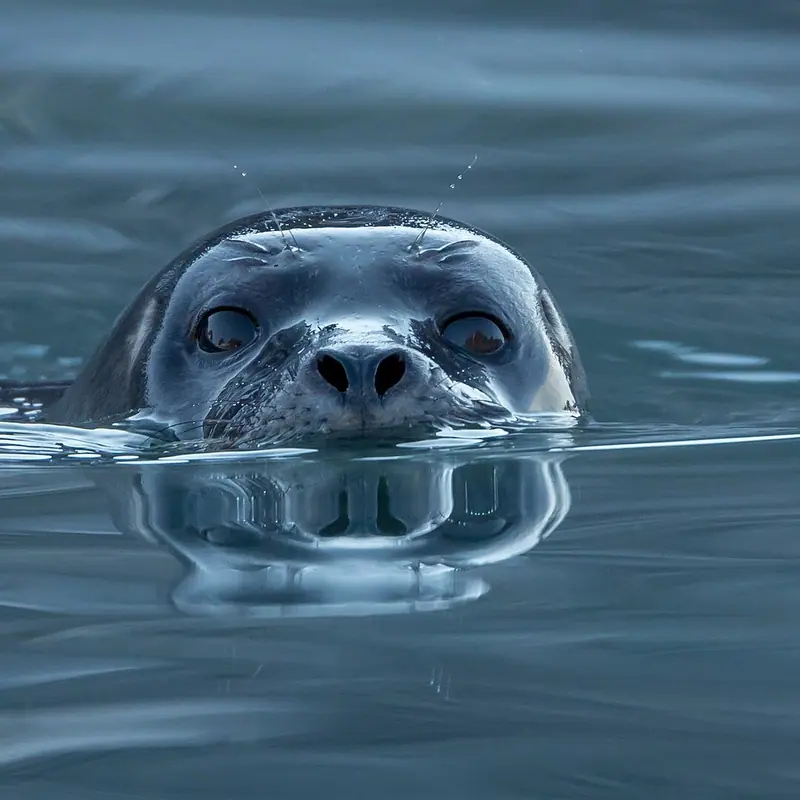
Photo: AWeith CC BY-SA 4.0 Wikimedia Commons
Harbor Seal
Phoca vitulina
Young Explorer Notes
Three quick things to know about the Harbor Seal.
- Superpower
Each harbor seal's spotted coat is unique — researchers identify individuals across decades by photo-matching the pat…
- Home
Chilly pools and snowy shores for polar animals.
- How to help
Doing great in the wild!
Scientists say this species is safe for now. We still learn about them to keep it that way.
Fun facts for everyone
- Each harbor seal's spotted coat is unique — researchers identify individuals across decades by photo-matching the pattern.
- Pups can swim within hours of birth and dive alongside the mother by their first day in the water.
- Whiskers (vibrissae) are so sensitive they can track the hydrodynamic wake left by a fish thirty seconds after the fish has passed.
- Sleeps underwater in a vertical posture called "bottling," surfacing every few minutes for air without fully waking.
- IUCN lists the species as Least Concern with a global population over 350,000 and stable across most of its range.
From the master plan
The Harbor Seal is the planned Polar Ocean & Arctic Bay’s Seal Pool resident — the playful, photogenic animal of the zone, viewed at the rocky haul-out and through the underwater glass of the same pool. The exhibit introduces the smaller, more familiar end of the seal family before guests reach the bigger Arctic species.
IUCN status sourced from the Harbor Seal (Phoca vitulina) assessment (Lowry, 2016) on the IUCN Red List — listed as Least Concern with a stable population trend.
Find them in
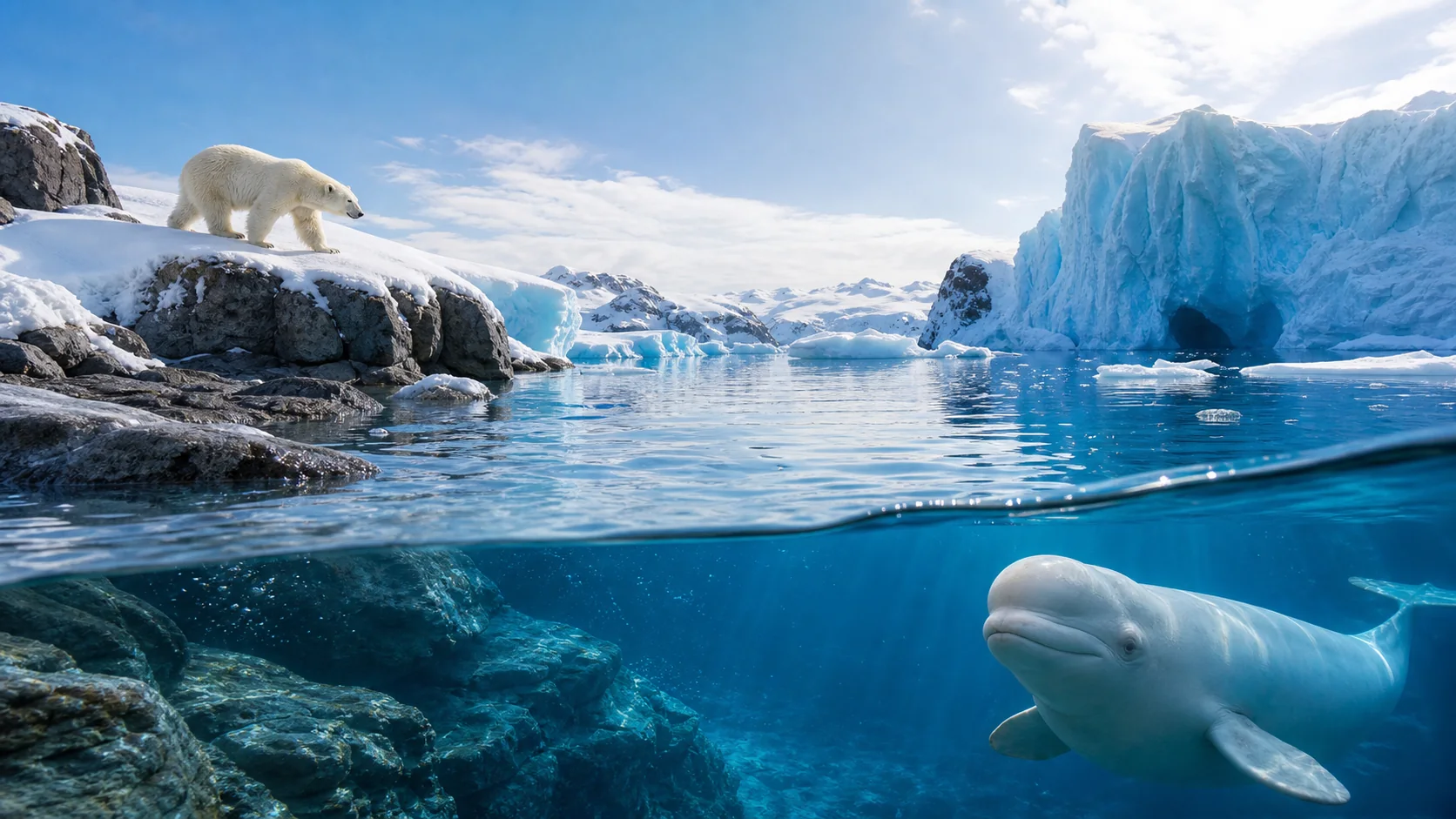
Polar Ocean & Arctic Bay
A world of ice, ocean and extraordinary adaptations
Visit Polar Ocean & Arctic Bay