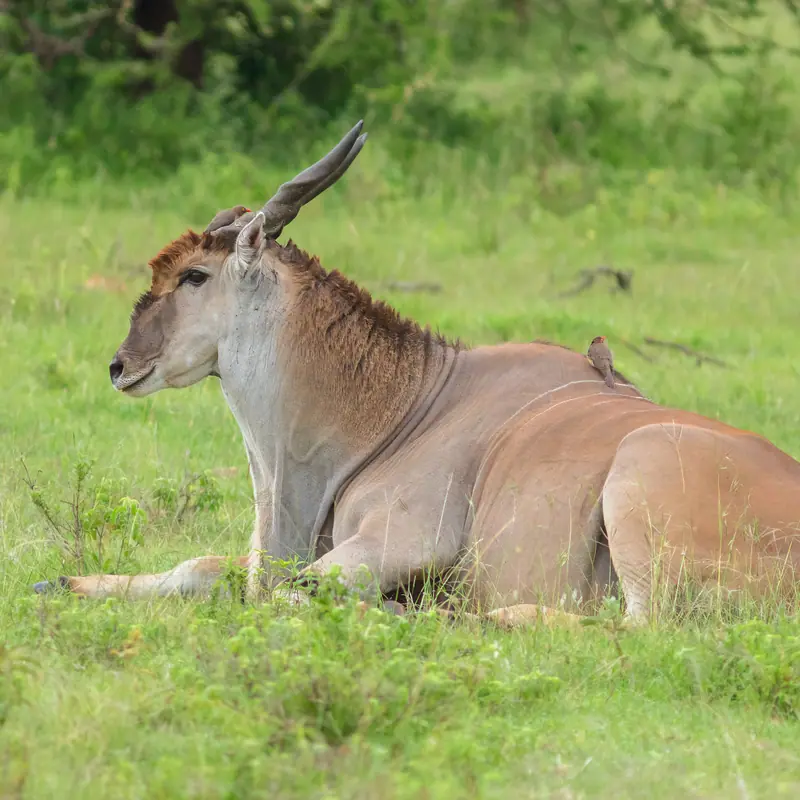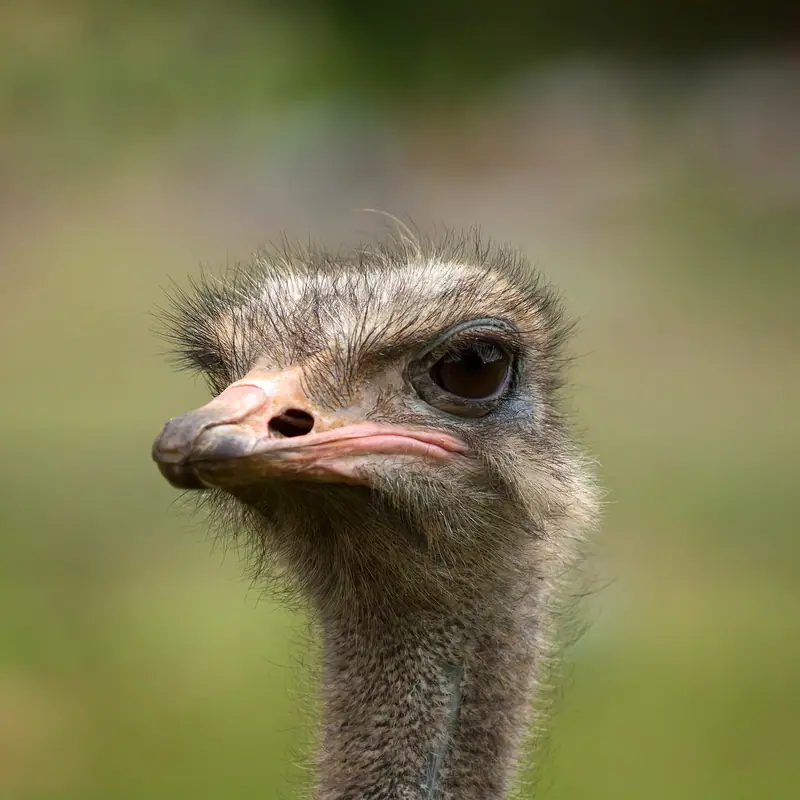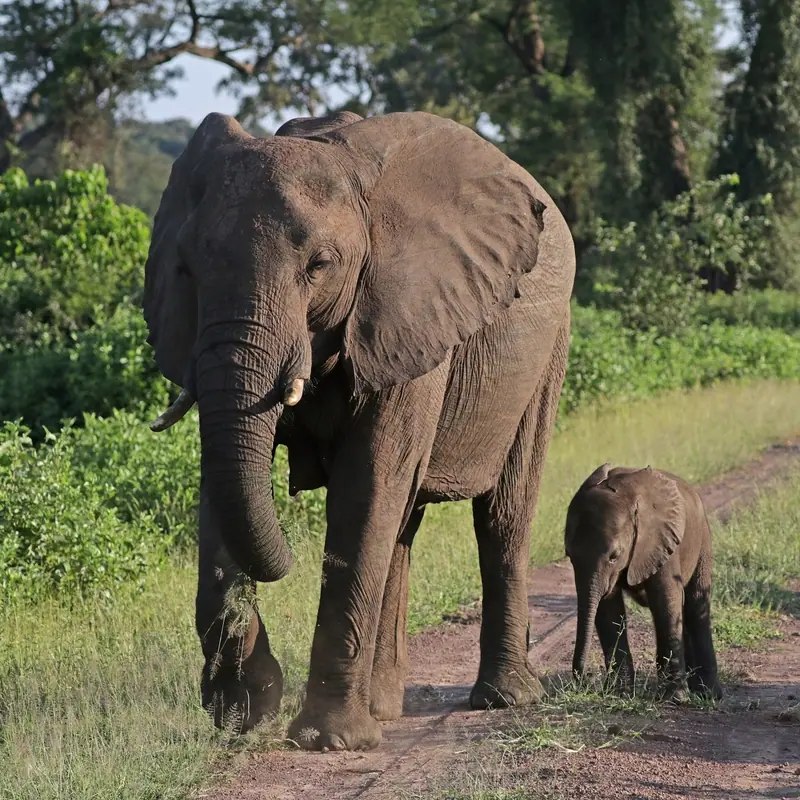

Animal Directory Featured species in the planned African Savannah habitat
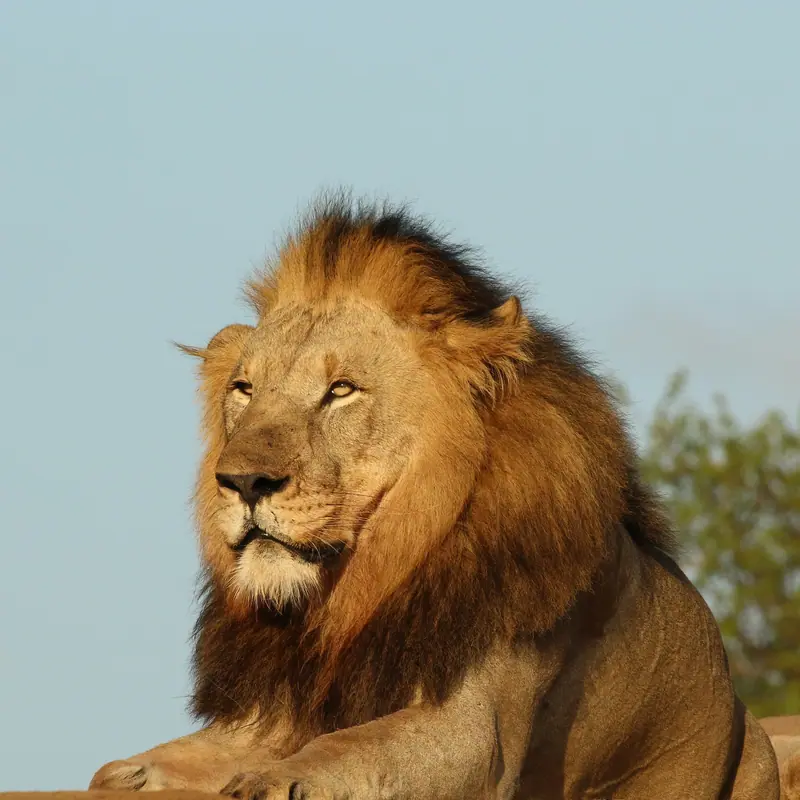
Photo: Charles J. Sharp CC BY-SA 4.0 Wikimedia Commons
African Lion
Panthera leo
Young Explorer Notes
Three quick things to know about the African Lion.
- Superpower
The only truly social big cat — lives in prides of related females, their cubs, and a small coalition of resident males.
- Home
Wide golden grasslands with acacia trees and open sky.
- How to help
Friends who need our help
Vulnerable means they could disappear if we do not protect their homes.
Fun facts for everyone
- The only truly social big cat — lives in prides of related females, their cubs, and a small coalition of resident males.
- A male's roar can be heard up to 8 km away across the open savannah; it's the longest-range vocalisation of any big cat.
- Females do most of the hunting, often in coordinated arcs that drive prey toward a hidden ambusher.
- Cubs are born with faint rosette spots that fade as they grow, a hint of the lion's shared ancestry with leopards and jaguars.
- IUCN lists the species as Vulnerable; the wild population has fallen by roughly 43% in the last three generations.
From the master plan
While the African Lion is staged primarily in Big Cat Canyon, the African Savannah viewing trail is designed to give guests a sense of how the pride moves through open grassland — the lions you see at the savannah overlook may be the same individuals you meet up close in Zone 3.
IUCN status sourced from the Lion (Panthera leo) assessment (Bauer et al., 2016) on the IUCN Red List — listed as Vulnerable with a decreasing population trend.
Find them in
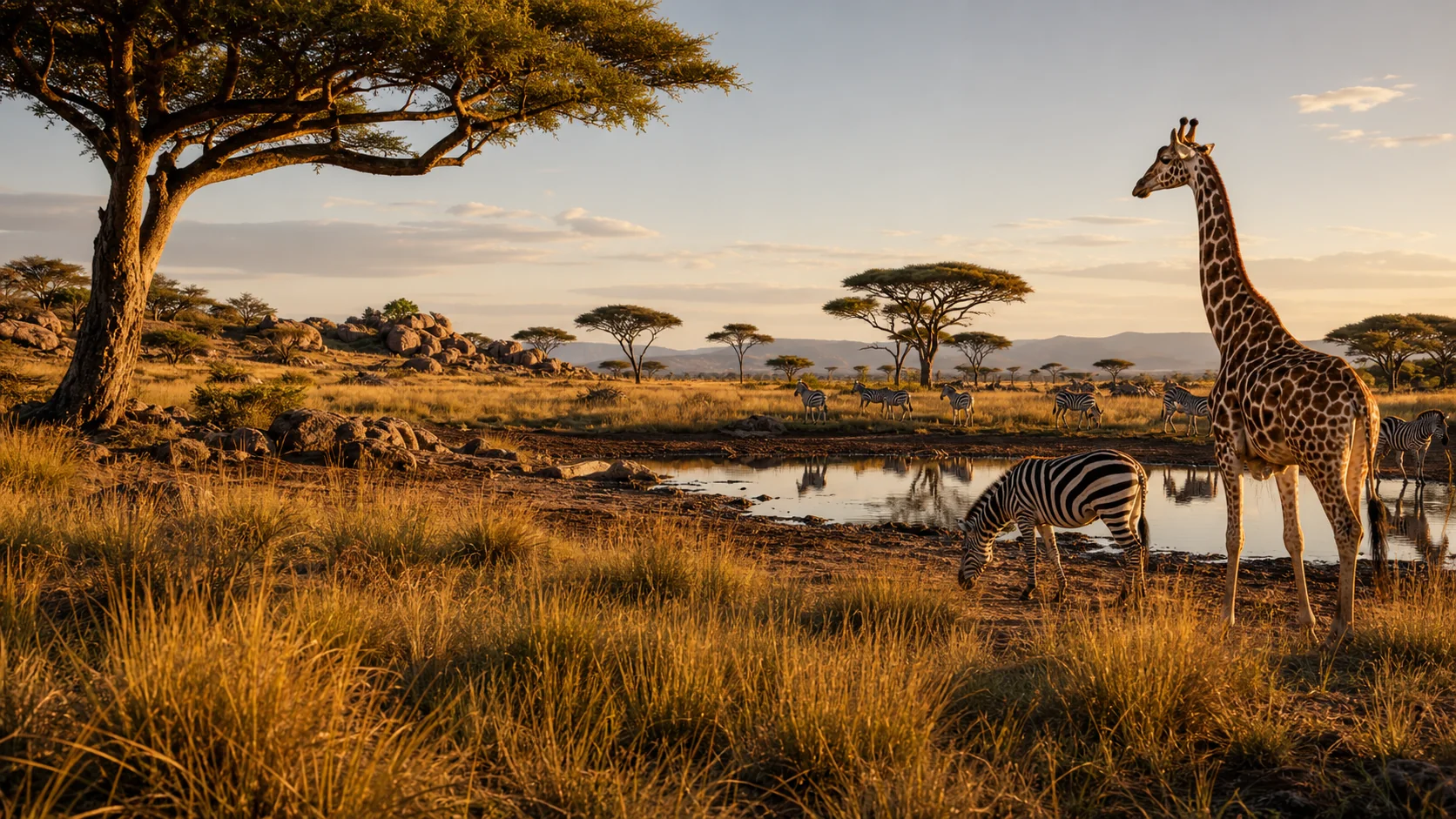
African Savannah
Open grasslands with iconic wildlife and elevated viewing
Visit African Savannah