
Animal Directory Featured species in the planned Children's Farm habitat
Babydoll Sheep
Ovis aries
Young Explorer Notes
Three quick things to know about the Babydoll Sheep.
- Superpower
A miniature heritage breed — adults stand 45-60 cm at the shoulder and look uncannily like living plush toys.
- Home
A gentle farmyard where kids can meet friendly animals.
- How to help
Doing great in the wild!
Scientists say this species is safe for now. We still learn about them to keep it that way.
Fun facts for everyone
- A miniature heritage breed — adults stand 45-60 cm at the shoulder and look uncannily like living plush toys.
- The "smiling" face is real, not anthropomorphism — the underbite and short muzzle create a permanent upturned-mouth expression.
- Descended from the Olde English Southdown, a near-extinct breed rescued from the brink in the 1980s by a single American breeder, Robert Mock.
- Increasingly used in vineyards as four-legged groundskeepers — small enough to walk under grape vines without damaging fruit.
- Domesticated breed; not IUCN-assessed (its wild ancestor, the mouflon Ovis gmelini, is listed as Vulnerable).
From the master plan
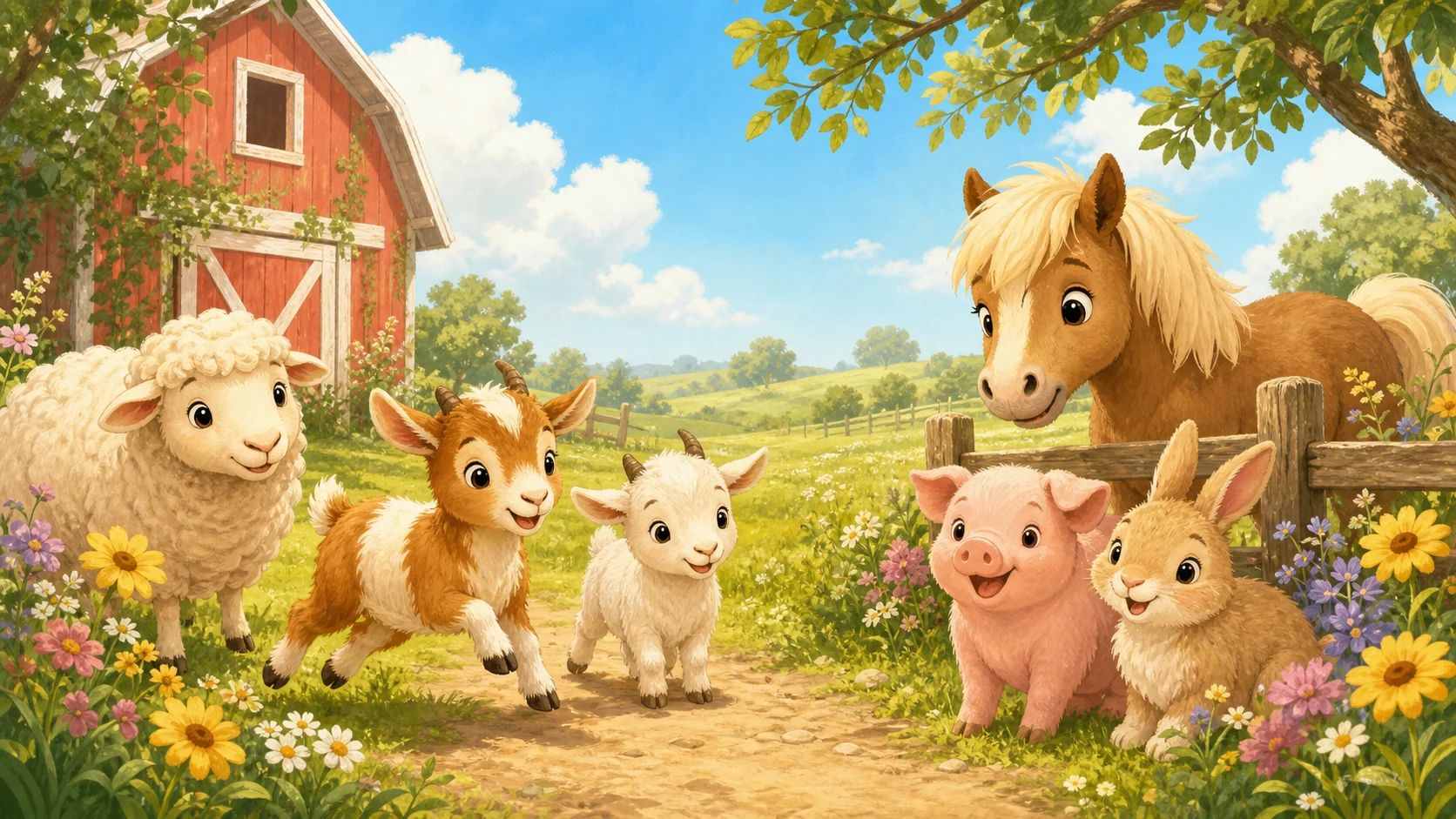
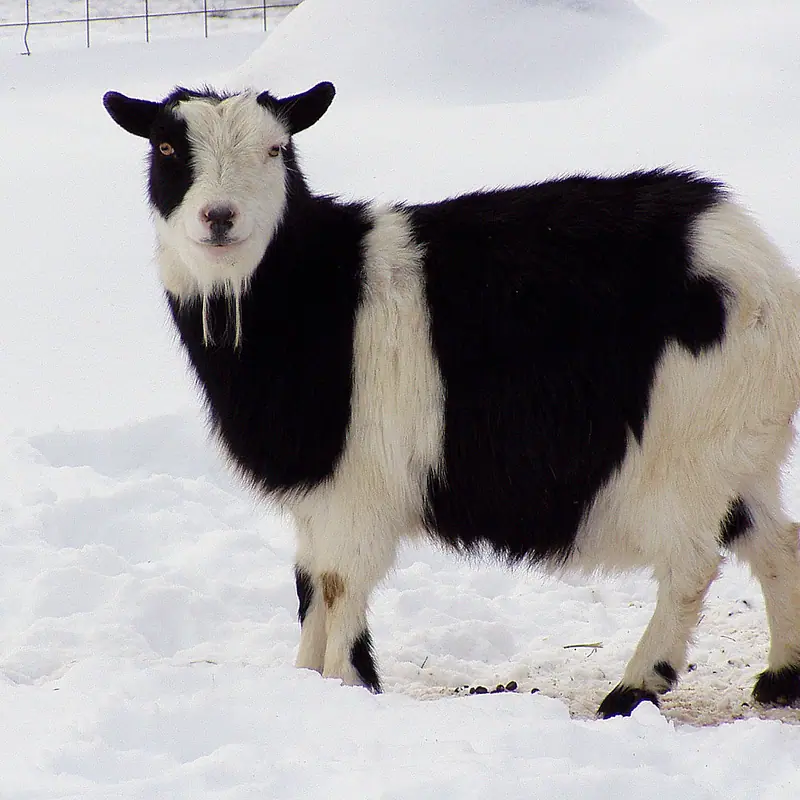
The Babydoll Sheep is the plush-toy moment of the Children’s Farm — staged in the central feeding yard alongside the Nigerian dwarf goats, with brushing stations sized for small hands. The breed’s recovery from near-extinction also gives keepers an easy conservation story to tell.
No IUCN assessment exists for domestic sheep. We default to LC for consistency in the schema and call out the domestic-breed status explicitly.
Find them in