
Animal Directory Featured species in the planned Children's Farm habitat
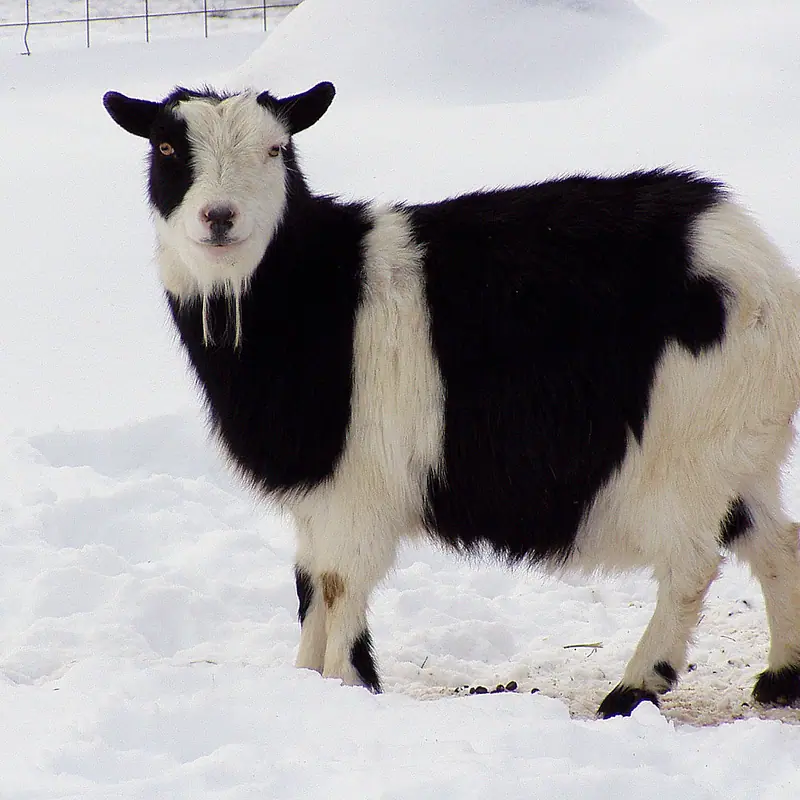
Photo: No machine-readable author provided. Dlanglois assumed (based on copyright claims). CC BY-SA 3.0 Wikimedia Commons
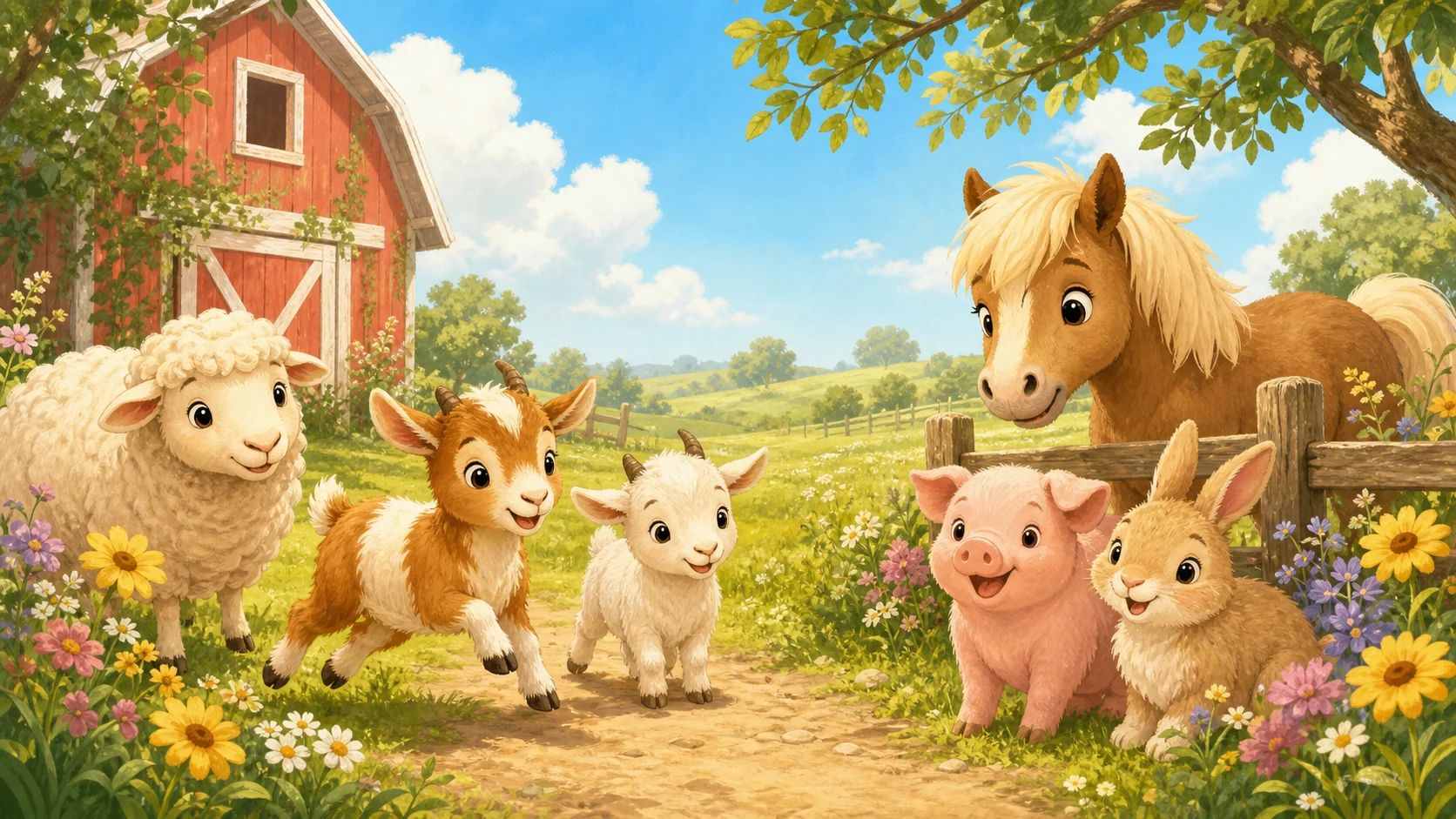
Nigerian Dwarf Goat
Capra hircus
Young Explorer Notes
Three quick things to know about the Nigerian Dwarf Goat.
- Superpower
Adult does stand only 43-57 cm at the shoulder — small enough to look children directly in the eye, which is exactly …
- Home
A gentle farmyard where kids can meet friendly animals.
- How to help
Doing great in the wild!
Scientists say this species is safe for now. We still learn about them to keep it that way.
Fun facts for everyone
- Adult does stand only 43-57 cm at the shoulder — small enough to look children directly in the eye, which is exactly why the breed anchors the petting yard.
- Despite its size, the breed produces a high-butterfat milk (around 6-10%) and is the only true dairy goat in the miniature class.
- Comes in nearly every coat colour and pattern, including bright blue eyes — no two goats in the farm yard look the same.
- Wildly social and highly curious — Nigerian dwarfs follow people around the pen the way friendly dogs do.
- Domesticated breed; not IUCN-assessed (Capra hircus is the domestic descendant of the wild goat Capra aegagrus, which itself is listed as Near Threatened).
From the master plan
The Nigerian Dwarf Goat is the first contact animal of the Children’s Farm — the species the petting yard is sized around, with low feeding troughs and child-height brushing stations. The goat-up-on-its-hind-legs greeting at the yard fence is one of the planned signature moments of the zone.
No IUCN assessment exists for domestic goats. We default to LC for consistency in the schema and call out the domestic-breed status explicitly.
Find them in