
Animal Directory Featured species in the planned Desert Trails habitat
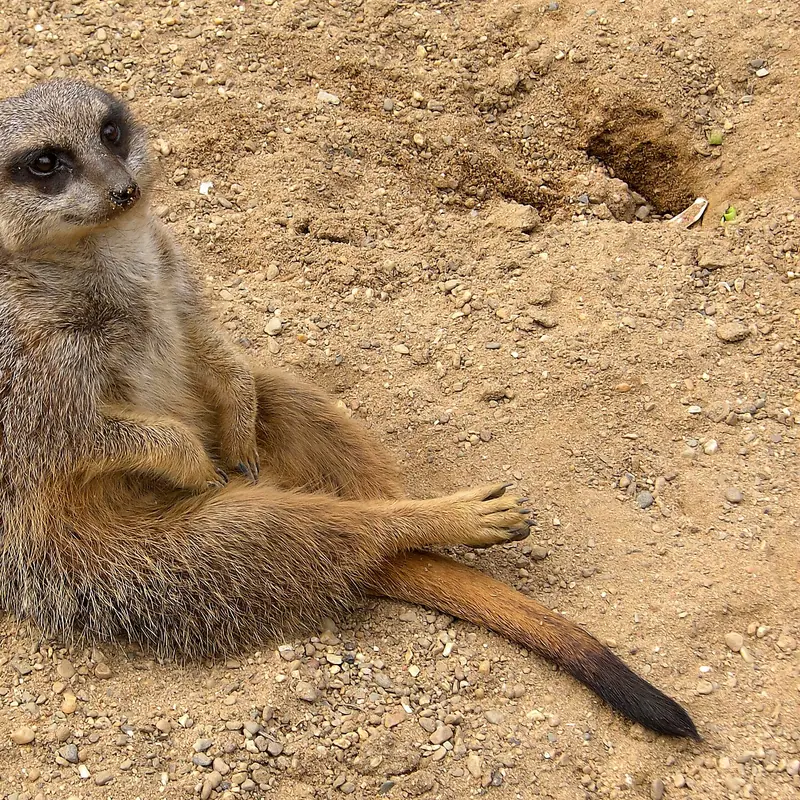
Photo: Hans Hillewaert CC BY-SA 4.0 Wikimedia Commons
Meerkat
Suricata suricatta
Young Explorer Notes
Three quick things to know about the Meerkat.
- Superpower
Lives in tight cooperative mobs of 10-30, with rotating sentry duty — at least one meerkat is always on a vantage poi…
- Home
Sandy paths, cacti, and desert sun (with plenty of shade).
- How to help
Doing great in the wild!
Scientists say this species is safe for now. We still learn about them to keep it that way.
Fun facts for everyone
- Lives in tight cooperative mobs of 10-30, with rotating sentry duty — at least one meerkat is always on a vantage point scanning for predators while the rest forage.
- Has dark patches around the eyes that work like a footballer's eye black, cutting the glare of the Kalahari sun and improving long-distance vision.
- Immune to many venoms that would kill a similar-sized mammal; routinely hunts scorpions after biting off the stinger, and teaches pups how to handle live ones safely.
- The matriarchal social structure is famously rigid — the dominant female suppresses breeding in subordinates and may evict competitors, sometimes for years.
- IUCN listed as **Least Concern**; populations are stable across southern Africa's arid savannahs and semi-deserts.
From the master plan
The Meerkat is the resident species of the Meerkat Mound habitat at the centre of Desert Trails. The exhibit’s open sandy yard with raised sentry boulders and glass-walled tunnel sections lets guests watch every layer of the mob’s social life — foraging, alarm-calling, and naptime pile-ups.
IUCN status sourced from the Meerkat assessment (Jordan & Do Linh San, 2015) on the IUCN Red List —
Suricata suricattalisted as Least Concern.
Find them in
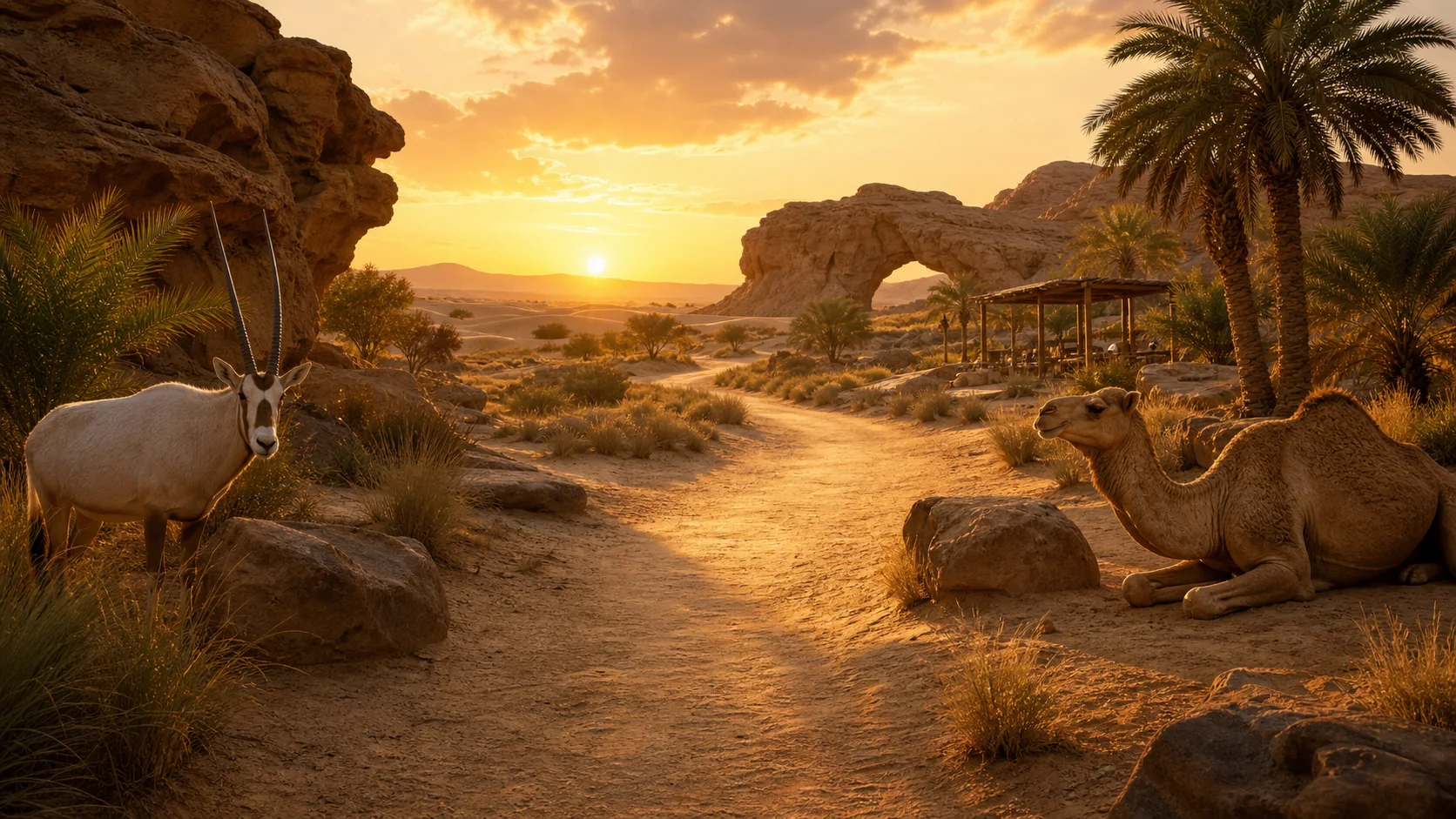
Desert Trails
A sun-baked journey through dunes, canyons and resilient desert life
Visit Desert Trails