
Animal Directory Featured species in the planned Primate Forest habitat
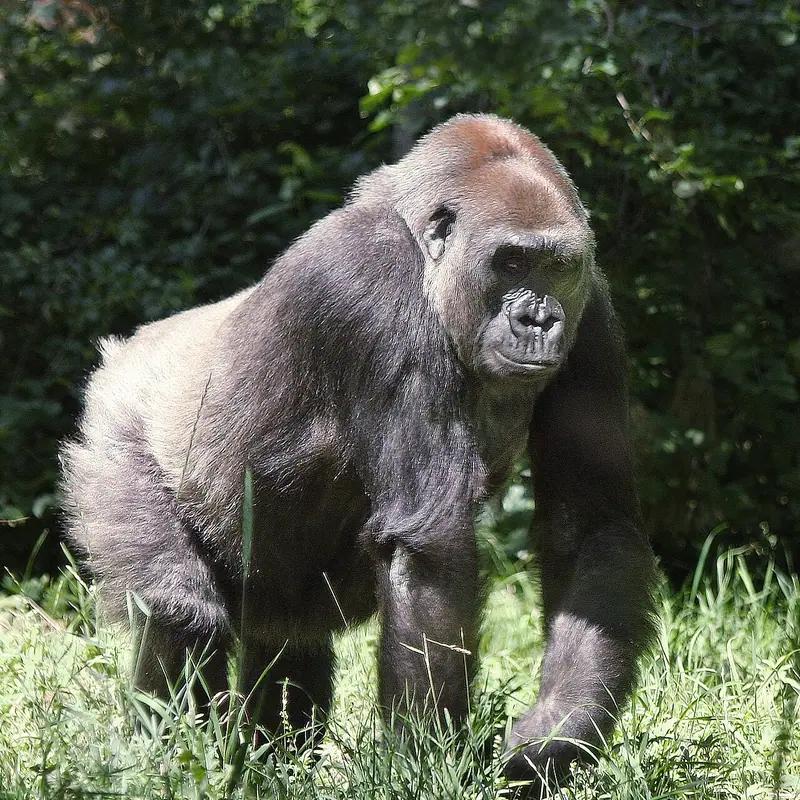
Photo: Rennett Stowe from USA CC BY 2.0 Wikimedia Commons
Western Lowland Gorilla
Gorilla gorilla gorilla
Young Explorer Notes
Three quick things to know about the Western Lowland Gorilla.
- Superpower
The most numerous of the four gorilla subspecies, but still Critically Endangered — wild populations have crashed by …
- Home
Lush trees and vines where primates swing and play.
- How to help
Critically endangered
Very few are left in the wild. Every rescue and breeding program matters.
Fun facts for everyone
- The most numerous of the four gorilla subspecies, but still Critically Endangered — wild populations have crashed by roughly 60% over the last three generations from Ebola and bushmeat hunting.
- An adult silverback is the strongest living primate, capable of bending iron bars; despite that, gorillas are almost entirely vegetarian, eating leaves, pith, and fruit.
- Each gorilla has a unique noseprint — the wrinkle pattern above the nostrils — and researchers use noseprint photo-ID to track wild individuals across decades.
- Gorillas build a fresh nest of folded branches every single night, ground-level for the heavier silverbacks and a few metres up in trees for lighter females and juveniles.
- DNA studies place gorillas as our second-closest living relatives after chimps and bonobos — about 98.4% of their genome is shared with ours.
From the master plan
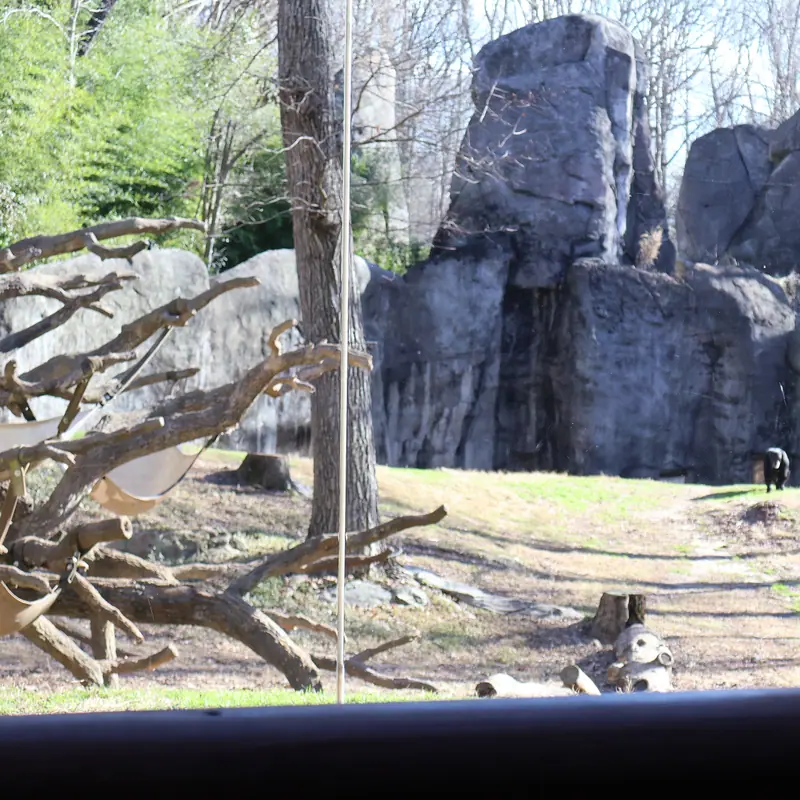
The Western Lowland Gorilla family group anchors Gorilla Grove at the entrance to Primate Forest. The enclosure is sized for a stable troop — one silverback, multiple adult females, and their juveniles — visible from a long curved viewing window framed by living bamboo.
IUCN status sourced from the Western Gorilla (Gorilla gorilla) assessment (Maisels et al., 2018) on the IUCN Red List — listed as Critically Endangered with a continuing population decline.
Find them in
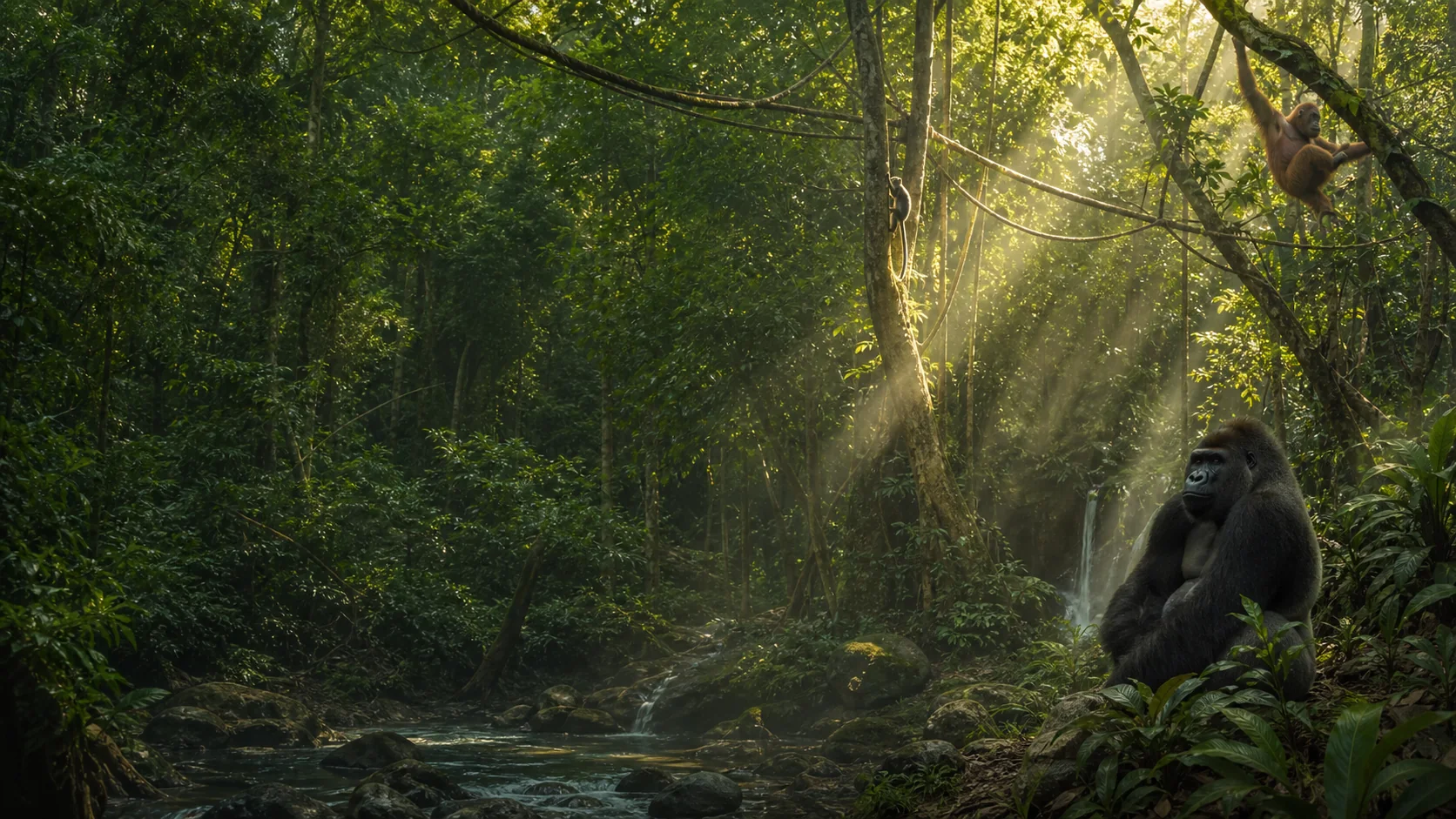
Primate Forest
A lush forest realm where intelligence, connection, and curiosity thrive
Visit Primate Forest