Signature species
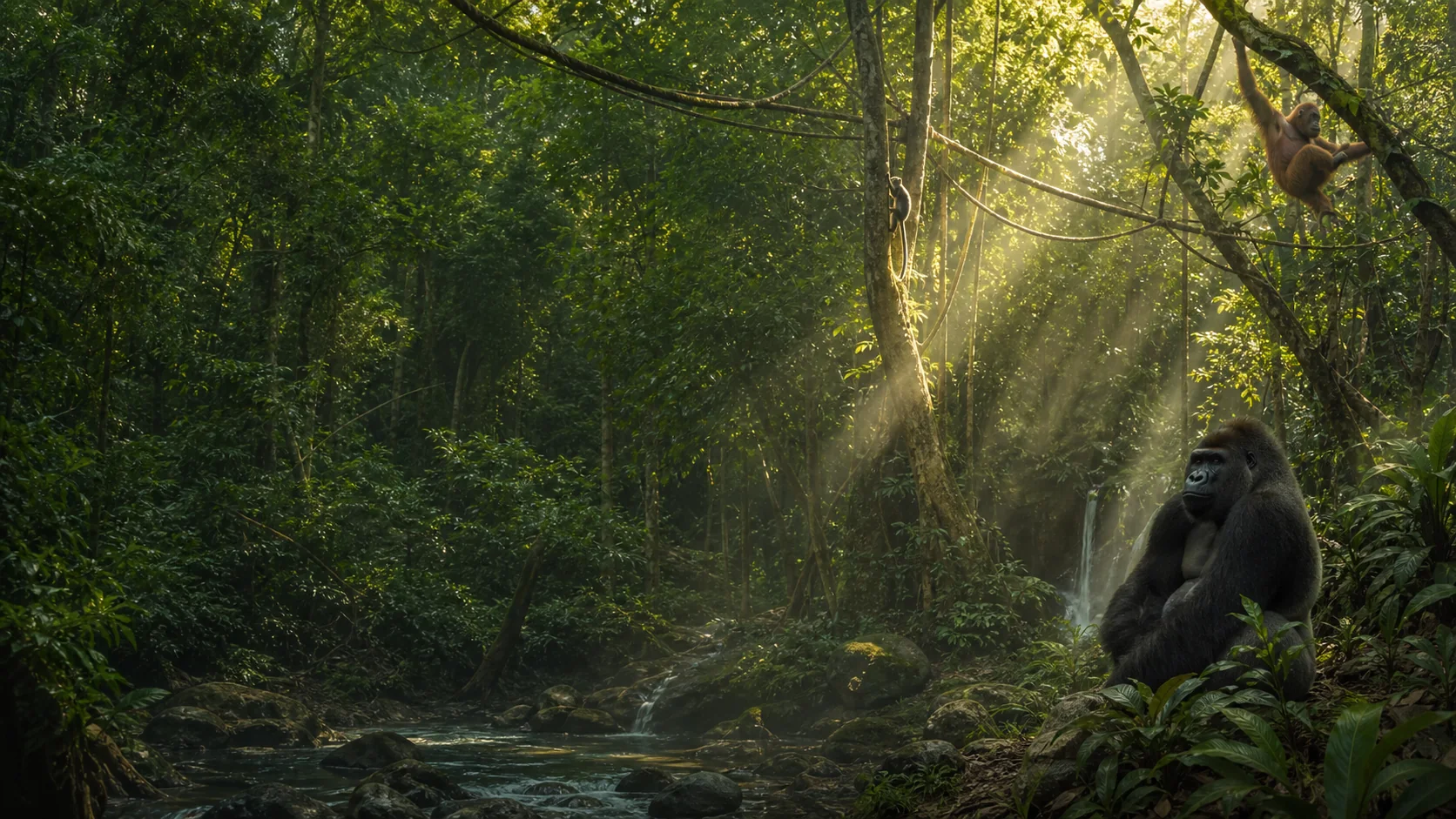
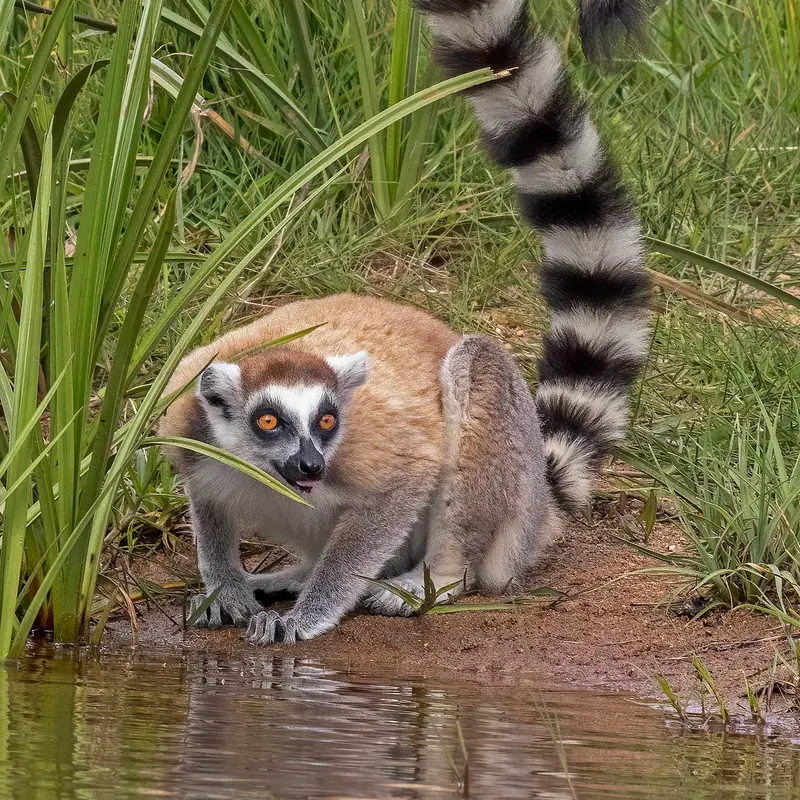
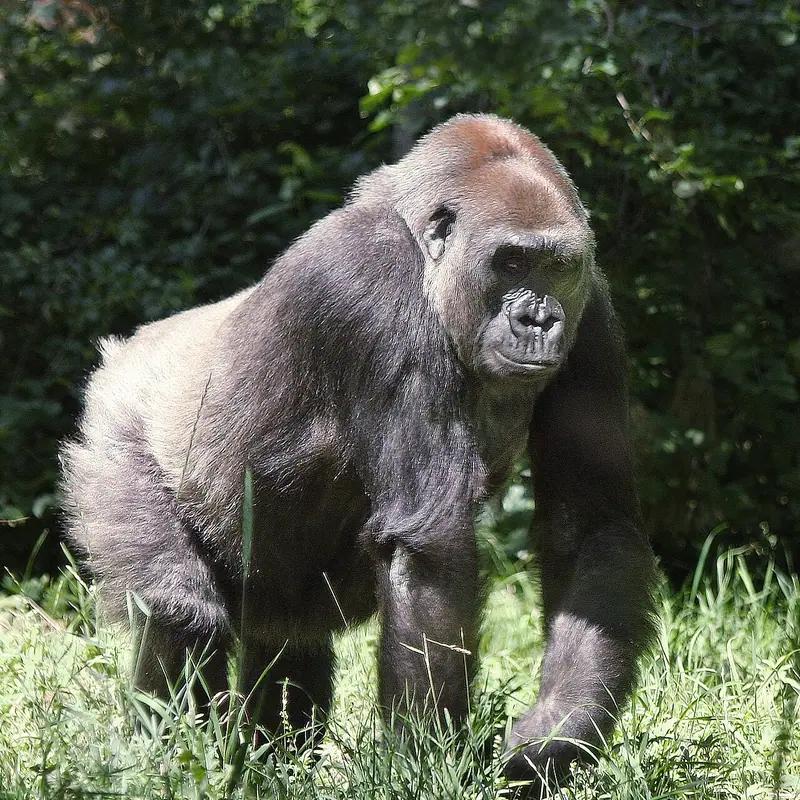
- lowland gorillas
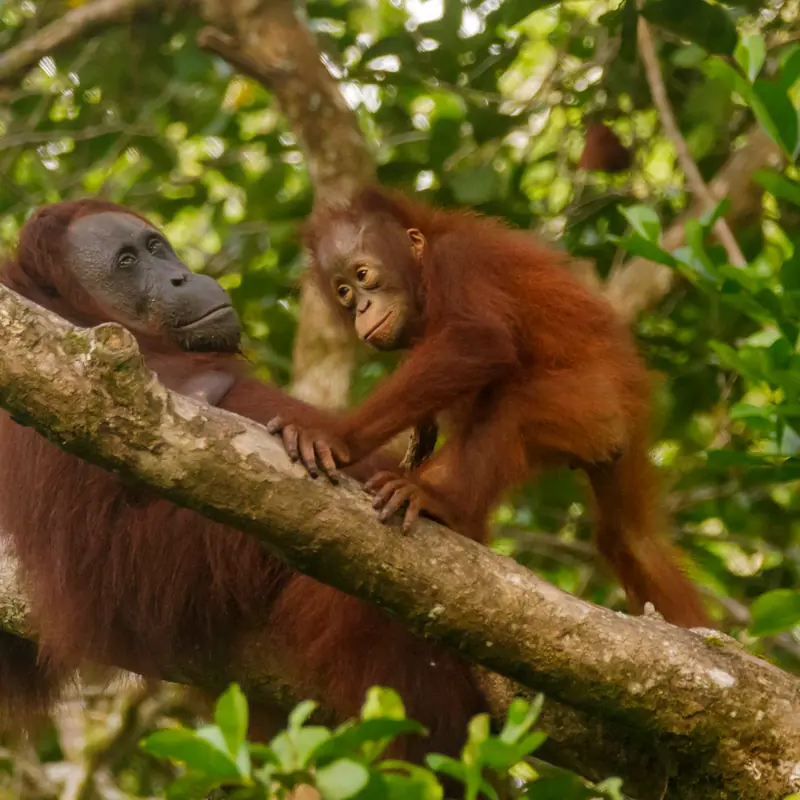
- bornean orangutans
- chimpanzees
- ring-tailed lemurs
◆
Guest experience
- treetop boardwalks
- immersive playful habitats
- keeper-talk discovery moments
- canopy photo decks
- family rest spots in dappled shade
◆
Role in the zoo
A dynamic, education-rich zone full of movement and personality — the park's strongest argument that great-ape conservation begins by inviting guests to meet our cousins eye-to-eye.
◆
Zone highlights
- Built around the social intelligence of great apes, not a generic 'jungle' aesthetic
- Treetop walk delivers eye-level orangutan encounters most zoos cannot
- Direct funding-line from gift-shop and adoption revenue to named African and Indonesian field partners
- Designed to occupy a family for ninety unhurried minutes
◆
Points of interest
Numbered against the cartographic vignette above.
-
1 Gorilla Valley
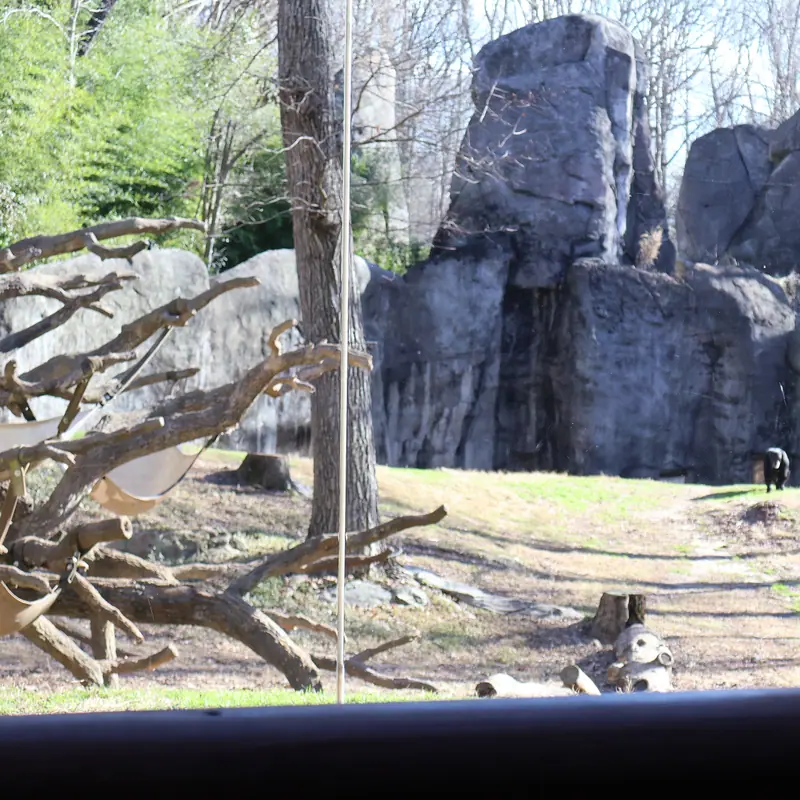
Multi-acre lowland-gorilla habitat with deep glass viewing walls, browse stations, and a private natal area screened from guest sightlines.
-
2 Orangutan Canopy
Vertical climbing structure built to lab-rated load specs — encourages real arboreal locomotion, not stage poses.
-
3 Treetop Walk
Elevated boardwalk that puts guests at eye-level with the orangutan canopy and the gibbon brachiation runs.
-
4 Lemur Island
Walk-through island habitat for ring-tailed and red-ruffed lemurs — the social, sun-bathing morning ritual is unmissable.
-
5 Chimp Discovery Camp
Education pavilion staged like a Gombe field camp; tool-use demonstrations and behavioral-research storytelling on a keeper schedule.
-
6 Imagination Ropes
A separate kids-only climbing structure that mirrors the primates' enrichment, with adult supervision balconies on three sides.
-
7 Canopy Photo Deck
Designed sight-line for the canonical "we were in the canopy together" guest photograph.
-
8 Keeper Talk Area
Open-air amphitheater for scheduled conservation talks — folding bench seating, shade sails, and a real keeper, not an actor.
-
9 Primate Forest Station
Working keeper kitchen and behavior-research office, visible to guests through a one-way observation glass.
-
10 Jungle Snack Nook
Quick-service kiosk with sustainably-sourced palm-oil-free menus — every wrapper tells the conservation story.
-
11 Family Rest Spot
Shaded benches under fig canopy with water-bottle refill, designed for the mid-zone breather.
-
12 Primate Gift Shop
Curated retail leaning hard into educational books, conservation-partnership plush, and gorilla-adoption certificates.
◆
From the master plan
A forest, then the cousins
Primate Forest is the second of the park’s “great character” zones — where
African Savannah delivers scale, this zone delivers eyes that look back.
Guests step from the open plain into a tall, layered canopy and find themselves
in the company of lowland gorillas, orangutans, chimpanzees, and lemurs, each
on its own thoughtfully engineered floor of the forest.
Built around three pillars
The deck names this zone with three verbs — Play, Learn, Protect — and the
master plan threads each one through every guest decision:
- Play — interactive habitats and elevated walkways bring the forest to life.
The Imagination Ropes course for children deliberately mirrors the primates’
enrichment apparatus, so the youngest guests are quietly learning a great-ape’s
cognitive vocabulary while they climb.
- Learn — engaging talks and exhibits reveal the amazing minds of our primate
relatives. The Chimp Discovery Camp is staged like a working Gombe research
station, and the talks are given by a keeper, not an actor.
- Protect — every visit supports primate conservation and a healthier future
for the world’s great apes. The gift shop and adoption desks are tied directly
to named field partners; receipts arrive with the funded project’s progress
report attached.
Why this zone goes deep instead of wide
The master plan resists the temptation to fill Primate Forest with every primate
species the keepers could name. Four ape and lemur families, each given a
substantial habitat and a real research narrative, is the design choice. The
result is time, not throughput: a guest can spend ninety minutes here and
not feel they have rushed a single encounter.
◆